Pet Respiratory Health Guide for Autumn and Winter: Sneezing in Dogs and Cats During Temperature Fluctuations Could be a Warning Sign
As autumn turns to winter, cuddling up with our furry companions for warmth is a great pleasure for pet owners in the cold weather. Our pets, with their slightly higher normal body temperature range (around 38 to 39.5 degrees Celsius), serve as perfect little heaters, offering warmth during the cold season. However, due to their higher body temperature, dogs and cats are more susceptible to changes in temperature. When the temperature drops, the nasal mucosa of pets reacts to the cold air, leading to excessive vasoconstriction, resulting in symptoms like a runny nose and sneezing. Such symptoms may cause concern for pet owners. While occasional sneezing is a pet's natural response to environmental shifts, pet owners should be vigilant if their dogs or cats exhibit persistent coughing. In such cases, it is advisable to seek professional assistance from a veterinarian. This article aims to guide pet owners by exploring the reasons and physiological mechanisms behind sneezing in dogs and cats, offering insights into providing optimal respiratory care for our furry friends during cooler temperatures.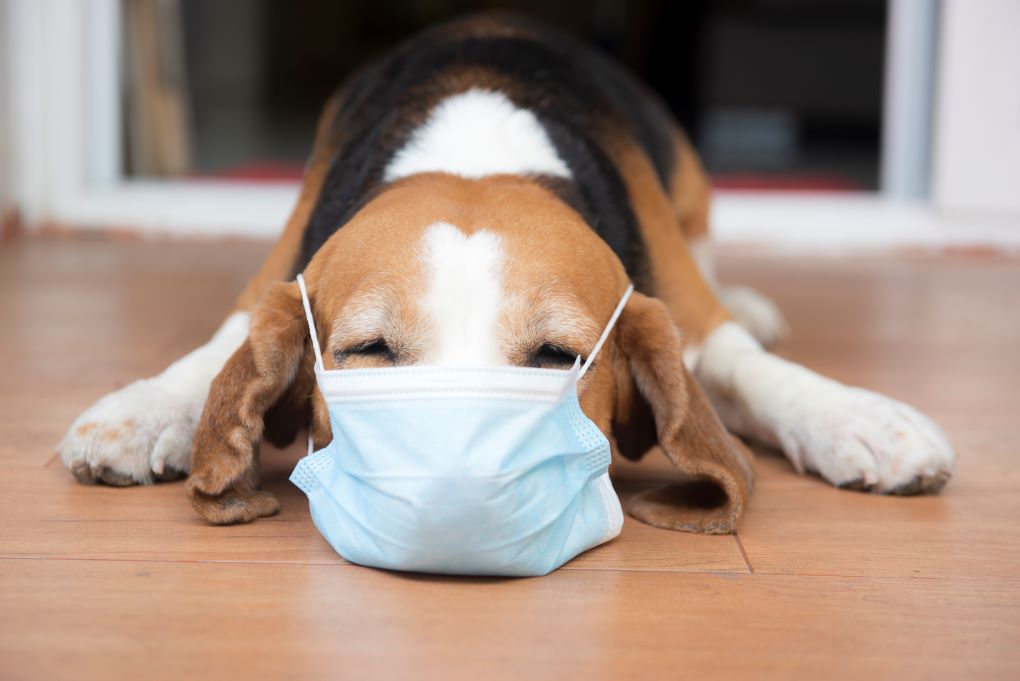
Why Do Dogs and Cats Sneeze? Could It Be a Sign of Illness?
In clinical settings, pet owners often express deep concern upon witnessing their pets sneezing. In truth, sneezing is a natural and protective mechanism for dogs and cats, serving as a reflex action to expel irritants when stimulated nerve cells on the nasal mucosa. Beyond typical sneezing, pets may occasionally exhibit "reverse sneezing," alternatively labeled as "intense inhalation nasal syndrome" or "a reverse sneeze in dogs."
Understanding the Reality of Reverse Sneezing: Alarming Symptoms Resembling Asthma Attacks.
Reverse sneezing, as its name implies, involves the forceful inhalation of air from outside into the nasal cavity, with the pet typically remaining still and emitting pig-like breathing sounds. Some may also display abnormal throat or soft palate vibrations, prompting concerns among pet owners about potential asthma attacks or respiratory issues. Fortunately, these episodes are usually brief, lasting only a few seconds to minutes, after which the pet returns to normal. The exact cause of reverse sneezing remains unclear, but it is presumed to be triggered by factors similar to those causing regular nasal sneezing, leading to dogs and cats exhibiting similar symptoms. When reverse sneezing occurs, immediate veterinary attention is not necessary. Instead, it is recommended to take the pet outdoors for fresh air and gently massage the throat and neck. If these episodes become too frequent, seeking a veterinarian's examination is advisable.
Differentiating Between Normal and Pathological Sneezing
When dogs and cats display sneezing symptoms, owners should distinguish between normal physiological sneezing and pathological sneezing. Pathological sneezing, characterized by increased frequency, is often accompanied by nasal discharge, lethargy, loss of appetite, fever, vomiting, and gastrointestinal issues. Allergies, infections, or oral problems are common causes of pathological sneezing. Timely diagnosis and treatment can effectively manage most of these issues. In daily life, pet owners can also contribute to their pets' well-being, reducing instances of excessive sneezing in dogs or addressing runny nose and sneezing in cats.01.jpg)
Pet Respiratory Health Guidelines: Keeping Dogs and Cats From Sneezing
When a pet exhibits signs of pathological sneezing, it's advisable to consult a veterinarian for a thorough assessment and appropriate treatment. In everyday life, pet owners can proactively contribute to their pet's respiratory health through the following measures:
- Monitor the temperature and humidity of the pet's living environment, and use air purifiers when necessary to reduce allergens.
- Schedule regular pet health check-ups to track their overall physical well-being.
- Clinical findings many mature dogs and cats face chronic sneezing and runny noses due to oral problems. Daily oral hygiene helps prevent oral diseases in pets.
- Enhance the pet's health with immune-boosting dietary supplements:
- Licorice-containing products for immunity.
- Italian thyme extract for antioxidant and anti-inflammatory effects.
- Lungwort aids in minimizing bacterial biofilm and adhesion, as well as breaking down respiratory mucus.
02.jpg)
In conclusion, Dr. Zhong wants to reassure all pet owners that feeling nervous or worried when our furry companions sneeze is natural. The key is to remain calm, observe whether the pet is unwell or experiencing a normal physiological phenomenon, and be a wise owner in providing excellent care for our beloved furry friends.
