Combat Canine Joint Discomfort in Harsh Winters with the Best Joint Care for Dogs to Prevent Degenerative Arthritis
The typically lively and active dogs, known for causing a bit of chaos around the house, may suddenly exhibit reluctance to run and jump, transforming into couch potatoes. While it might initially be attributed to a mere cold, these symptoms could signify a need for enhanced joint care for dogs with arthritis. Similar to humans, as dogs age, their joints undergo inevitable wear and deterioration, with joint degeneration being an irreversible condition. In the absence of effective treatment methods beyond surgery, it becomes imperative to provide the best joint support for dogs. The onset of harsh winter cold makes conditions like degenerative arthritis in dogs even more severe due to the plummeting temperatures. This article will guide pet owners on how to offer the best joint care for older dogs, protecting their pets’ joint health during the cold winter.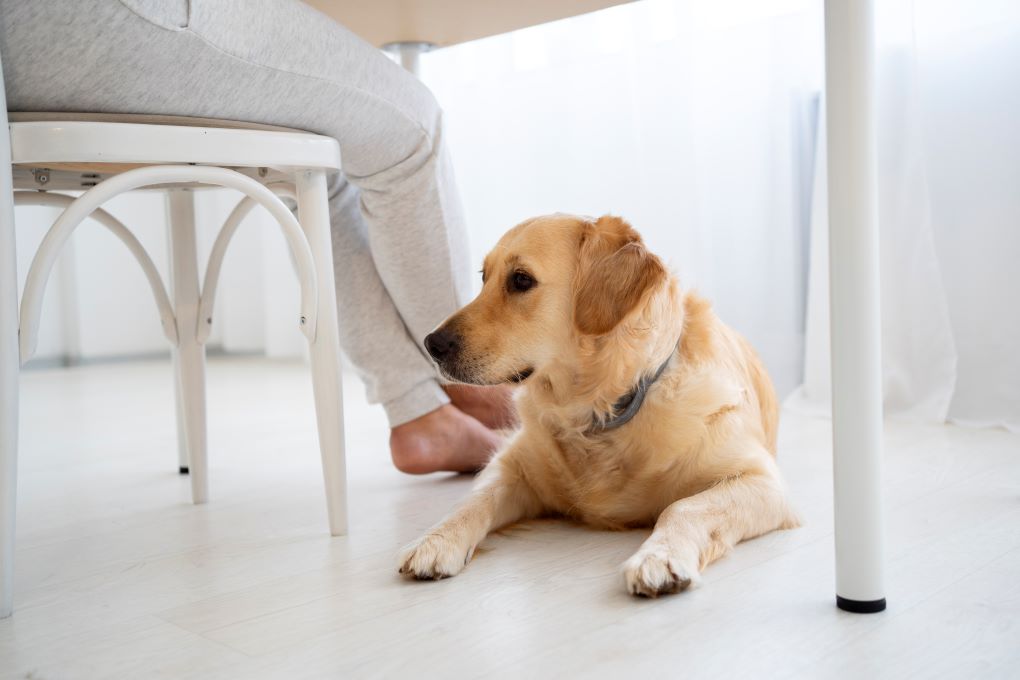
Degenerative Joint Arthritis Affects Over 80% of Canine Population
According to U.S. statistics, dogs aged eight and above face an 80% likelihood of developing degenerative joint arthritis, underscoring a pressing need for joint support supplements for dogs. The roots of this condition include long-term improper exercise posture, sudden sports injuries causing joint sprains and inflammation, genetic predispositions, and the natural aging of joints over time. Arthritis in dogs often manifests in the hind hip and knee joints, necessitating focused attention on senior dog joint care. Pet owners should keenly observe changes in their furry friends' behavior, identifying potential signs of arthritis such as changes in gait, limp, reluctance to climb stairs, and stiffness after extended periods of rest; profound pain can also adversely affect the pet's mood and appetite.01.jpg)
Low Winter Temperatures Aggravate Symptoms of Canine Degenerative Joint Disease
"In winter, the chilly temperatures have a notable impact on arthritis symptoms, affecting both us and our pets. The cold weather induces poor blood circulation, contributing to heightened joint pain and swelling—clear signals that it's time to find the best solutions for alleviating dog joint pain. The cold weather induces poor blood circulation, contributing to heightened joint pain and swelling—clear signals that it's time to find the best thing for dog joint pain. Since dogs cannot communicate their discomfort or adopt proactive measures against the cold, the impact of low temperatures on their joints is often intensified. Winter's cold conditions prompt muscles in dogs to contract and tighten, amplifying the pain in inflamed joints. Lastly, as pet owners, we often yield to the harsh winter cold, leading to a decrease in the frequency of walks with our furry companions. This limitation denies dogs with stiff joints the chance to stretch and warm their muscles, exacerbating their joint problems- an essential aspect of senior dog joint care. Therefore, it serves as a reminder to all pet owners to give special attention to their dogs' joint health during winter and consider effective joint care for older dogs.
Winter Care Tips for Your Dog's Joints in Cold Weather
After learning the effects of winter cold on your dogs' joints, as a dedicated owner, you are naturally eager to seek ways to safeguard their joint health in freezing weather. Explore these effective measures, including the incorporation of joint support supplements for dogs:
- Maintain an Appropriate Living Environment: Ensure your dog resides in a conducive temperature and humidity setting, ideally ranging between 20 to 26°C, with humidity controlled between 50-60%.
- Keep Regular Exercise Routines: Regular physical activity plays a pivotal role in joint care for dogs with arthritis. Tailor the exercise duration to your dog's size, aiming for at least 20-30 minutes for small breeds, 30-60 minutes for medium breeds, and 60-120 minutes for large breeds per day.
- Supplements with the best joint support for dogs:
- Methylsulfonylmethane (MSM) can effectively alleviate joint pain.
- Glucosamine aids in joint cartilage growth, reducing pain and being the best thing for dog joint pain.
- The patented eggshell membrane rich in collagen, elastin, glycosaminoglycans, and transforming growth factor proves effective in reducing joint inflammation and alleviating discomfort.
- Turmeric extract offers anti-inflammatory and antioxidant benefits.
- Concentrated seawater minerals, such as magnesium, enhance the absorption and utilization of calcium, thereby reducing bone loss.
02.jpg)
As humans and pets confront the inevitable challenges of aging, ensuring a healthy aging process involves cultivating beneficial habits, maintaining a nutritionally balanced diet, scheduling regular health check-ups, and incorporating the best joint support for dogs into their diets. Ultimately, fostering a positive atmosphere and relishing each day with your cherished pet plays a crucial role in the overall well-being and senior dog joint care.
